PRODUCTS & TECHNOLOGY · EQUIPMENT

Marine & Fishing Equipment

In-house hardware and software, deployed in real waters

EQUIPMENT SYSTEM

Four equipment families spanning the full chain from perception to operation

From ocean observation and water-quality monitoring to fishery operations and radar–electro-optical sensing, GW-OCEAN brings digital-intelligence capability to every link in real waters through its own integrated hardware and software.

01 · OCEAN OBSERVATION & MONITORING

Ocean Observation & Monitoring Equipment

From buoys and seabed platforms to turbid-water imaging and oil-spill early warning — building integrated sensing across the surface, the water column and the seabed.

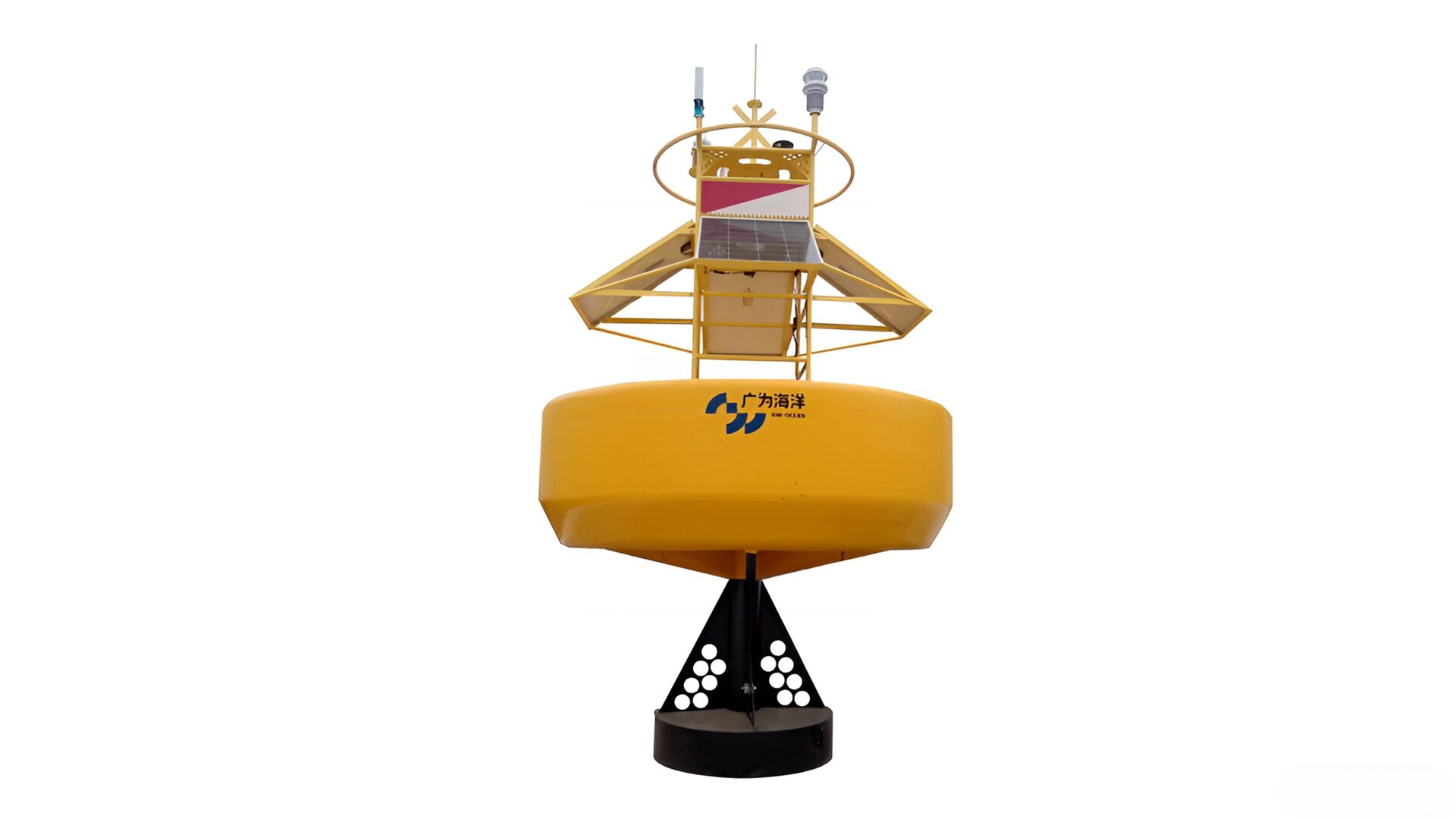
Ocean Observation Buoy · GW-OCEAN

Ocean Observation Buoy

Ocean Observation Buoy

Using a flexible payload arrangement, it provides real-time monitoring of marine meteorology, water quality, hydrology and underwater imagery, supporting smart-ocean development. The system features intelligent control, strong adaptability, anti-fouling and wave resistance, and suits a wide range of scenarios such as marine ranches, ecological reserves, ports and channels, and near-shore aquaculture.

Core Performance

  • Accurate and stable monitoring data, with remotely controllable monitoring frequency
  • Supports synchronized multi-parameter acquisition of water quality, hydrology and meteorology

Communication & Power

  • Supports multiple communication modes including 4G/5G, BeiDou and dedicated networks
  • Stable and reliable power supply, suited to long-term unattended operation

Structure & Protection

  • The float is made of polymer material for strong integrity, high stability and a long maintenance-free cycle, with customizable appearance
  • The frame uses 316L stainless steel — wave-resistant and corrosion-resistant — fitted with safety devices such as a navigation light and radar reflector

Key Monitored Parameters

  • Water quality: temperature, salinity, pH, dissolved oxygen, chlorophyll / blue-green algae, turbidity, COD, petroleum in water, ammonia nitrogen, nitrate, nitrite, phosphate, etc.
  • Hydrology: current speed, current direction, wave height, wave period, etc.; meteorology: temperature, air pressure, humidity, wind speed, wind direction, rainfall, etc.
  • Data is uploaded to the cloud platform in real time, viewable remotely via mobile app, mini-program and PC
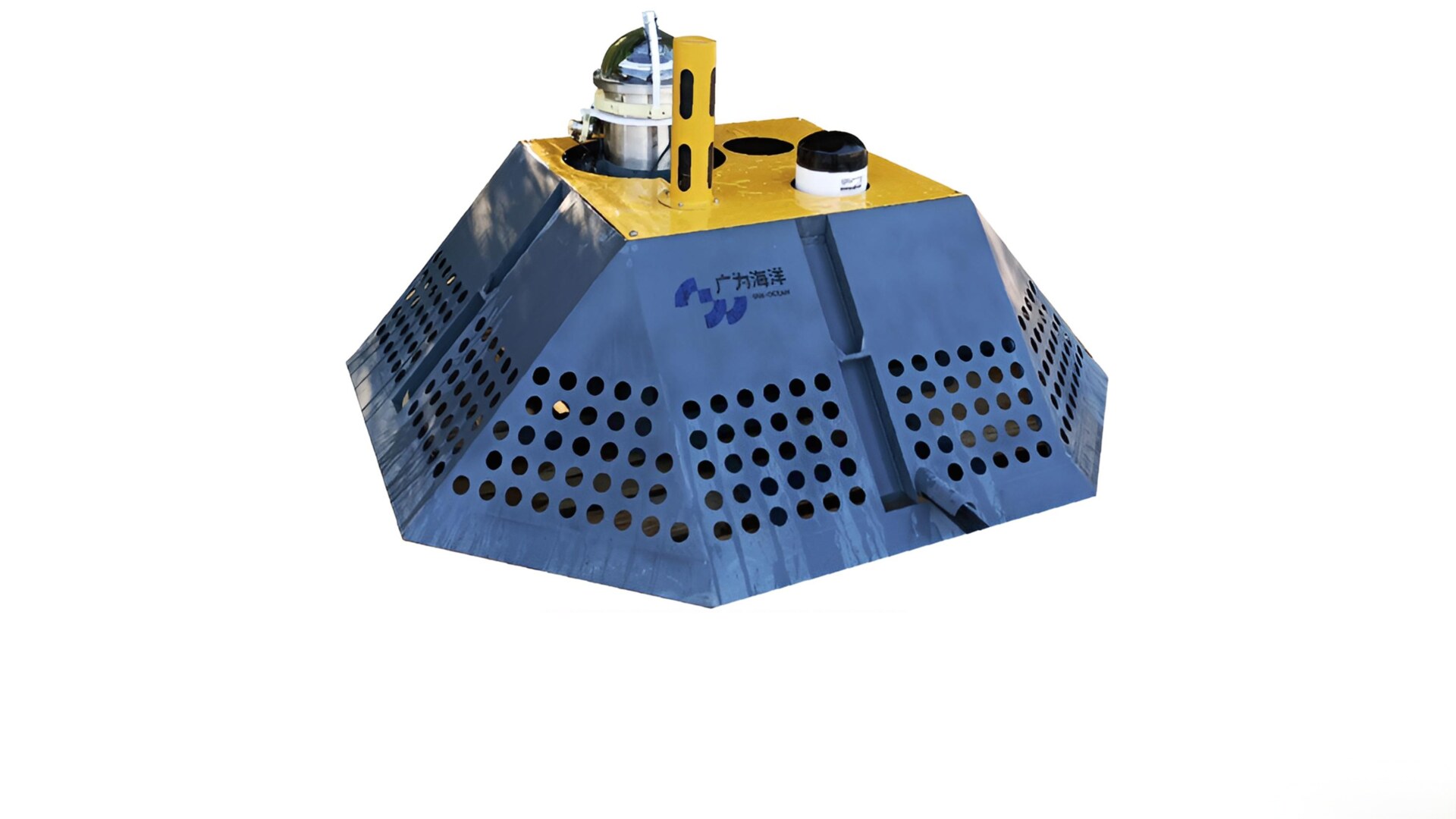
Bottom-mounted Seabed Platform · GW-OCEAN

Bottom-mounted Seabed Platform

Bottom-mounted Seabed Platform

A long-term unattended seabed observation system, designed for continuous marine-environment monitoring and seabed ecological research. It can be deployed on the seabed to withstand complex sea conditions, achieving long-term, continuous and concealed underwater observation, and providing high-precision data support for marine ranches, marine engineering, seabed resource development and marine science research.

System Composition

  • Pressure-resistant base and release mechanism: high-strength corrosion-resistant material with an acoustic releaser, supporting remote-command recovery
  • Multi-parameter sensor array: can integrate a current meter, CTD, dissolved oxygen, pH, turbidity meter, chlorophyll, sediment trap and more
  • Data acquisition and storage unit: low-power, high-capacity storage; acoustic communication and positioning module: underwater and surface communication, status feedback and positioning

Core Functions

  • Long-term continuous monitoring of the seabed environment: bottom currents, temperature, salinity, dissolved oxygen, turbidity, chlorophyll, benthic activity and more
  • Dynamic observation of sediment and nutrients; located on the seabed with no impact on surface shipping or fishery activity, suited to sensitive waters
  • Flexible data recovery: periodic salvage recovery, or real-time feedback of key parameters via acoustic communication

Product Advantages

  • Long-term continuity: a single deployment can work for 6–12 months, capturing complete seasonal data
  • Low power and high reliability, modular configuration and easy recovery, with industrial-grade high-precision sensors ensuring accurate and stable data

Application Scenarios

  • Seabed-habitat and water-quality monitoring of marine ranches, and evaluation of ecological-restoration results
  • Environmental-baseline surveys and construction-impact tracking for marine engineering (cables, pipelines, wind turbines)
  • Long-term benthic-ecology observation in marine reserves, and bottom-layer hypoxia and eutrophication early warning in near-shore aquaculture areas
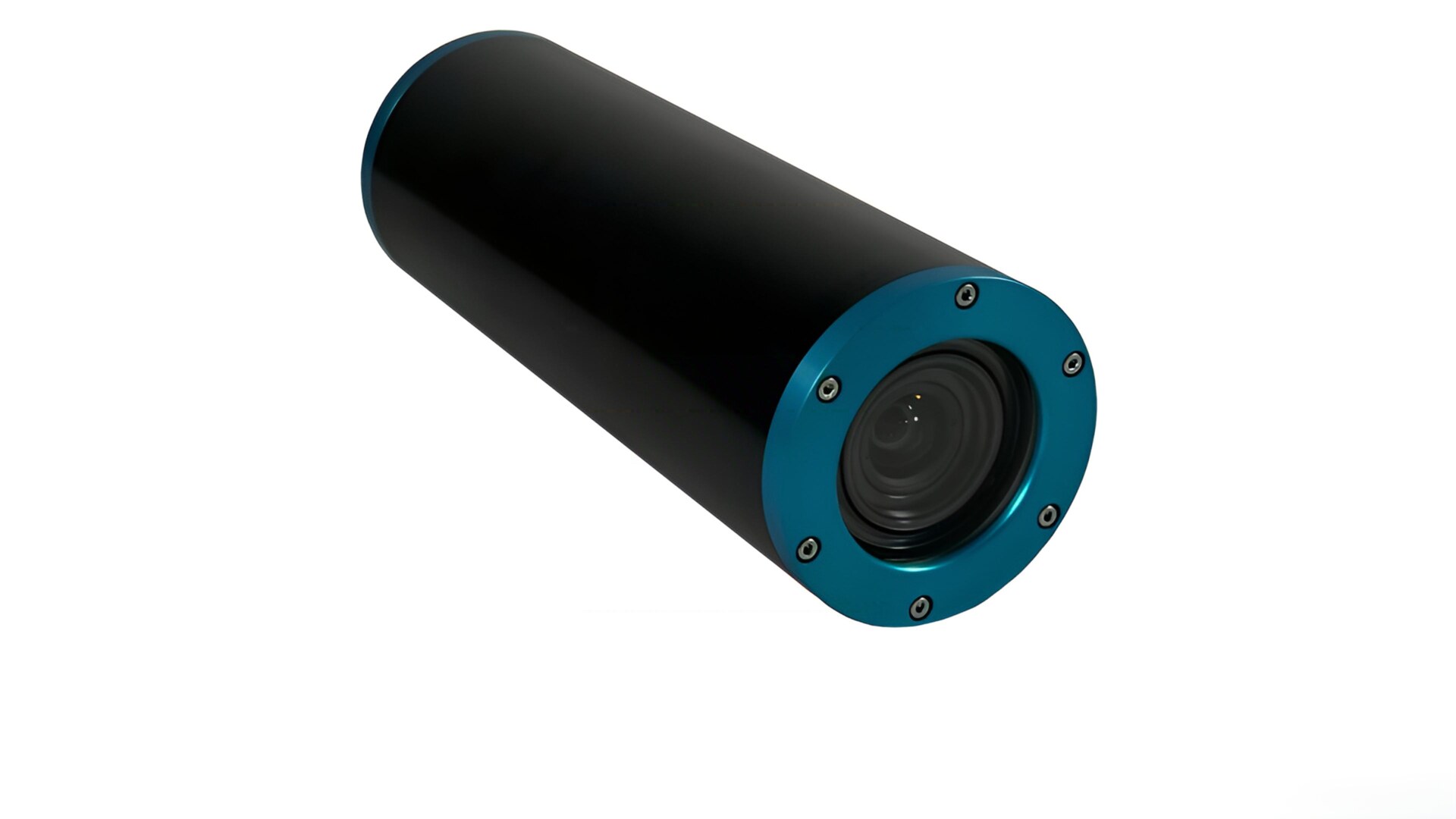
Orphie Turbid-water Camera Series · GW-OCEAN

Orphie Turbid-water Camera Series

Orphie Turbid-water Camera Series

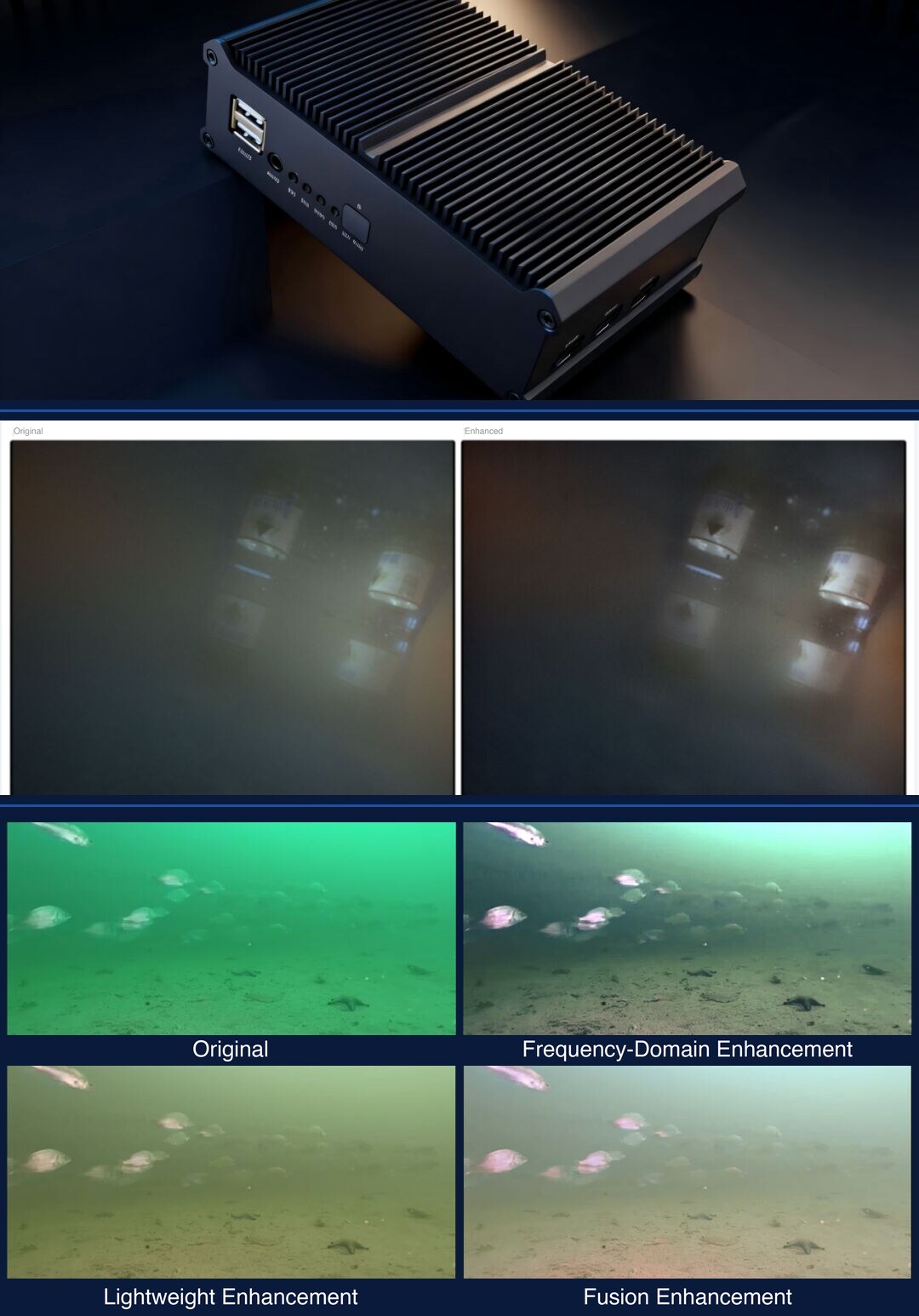
Using a patented polarization-imaging algorithm, it exploits the natural polarization of light to effectively suppress scattering and absorption interference caused by particles in the water, extending underwater visibility to three times that of conventional cameras and delivering clear, low-latency real-time imagery for more efficient and safer underwater operations.

Core Advantages

  • Polarization-imaging technology filters out underwater noise and improves image clarity; low-latency real-time transmission suits dynamic operations
  • A range of models covering shallow to deep water and lightweight portable to heavy industrial grade; aluminum-alloy / titanium-alloy housings are rugged and durable
  • Integrated software support — a single application handles all parameter settings and image processing

Product Series

  • Orphiecam 300: the lightweight shallow-water choice, Ø90×254.5mm, 0.6kg in water, 1080P, aluminum alloy
  • Orphiecam 3000: deep-sea industrial grade, Ø116×275.5mm, 2.5kg in water, 1080P, titanium alloy
  • OrphieScaph: ultra-light and portable, Ø72×163mm, only 165g in water, flexible deployment by diver / ROV

Integration & Deployment

  • Flexibly integrated into ROV / AUV, diver hand-held systems and fixed underwater monitoring platforms
  • Provides complete end-to-end support from acquisition to display, with a built-in patented real-time image-processing algorithm

Application Scenarios

  • Ship inspection, offshore oil-and-gas platform inspection, offshore wind-power foundation inspection
  • Underwater security and counter-terrorism, structure inspection (piers, dams), salvage and rescue, fish-school observation and ecological monitoring
Boundary Marker Buoy Series · GW-OCEAN

Boundary Marker Buoy Series

Boundary Marker Buoy Series

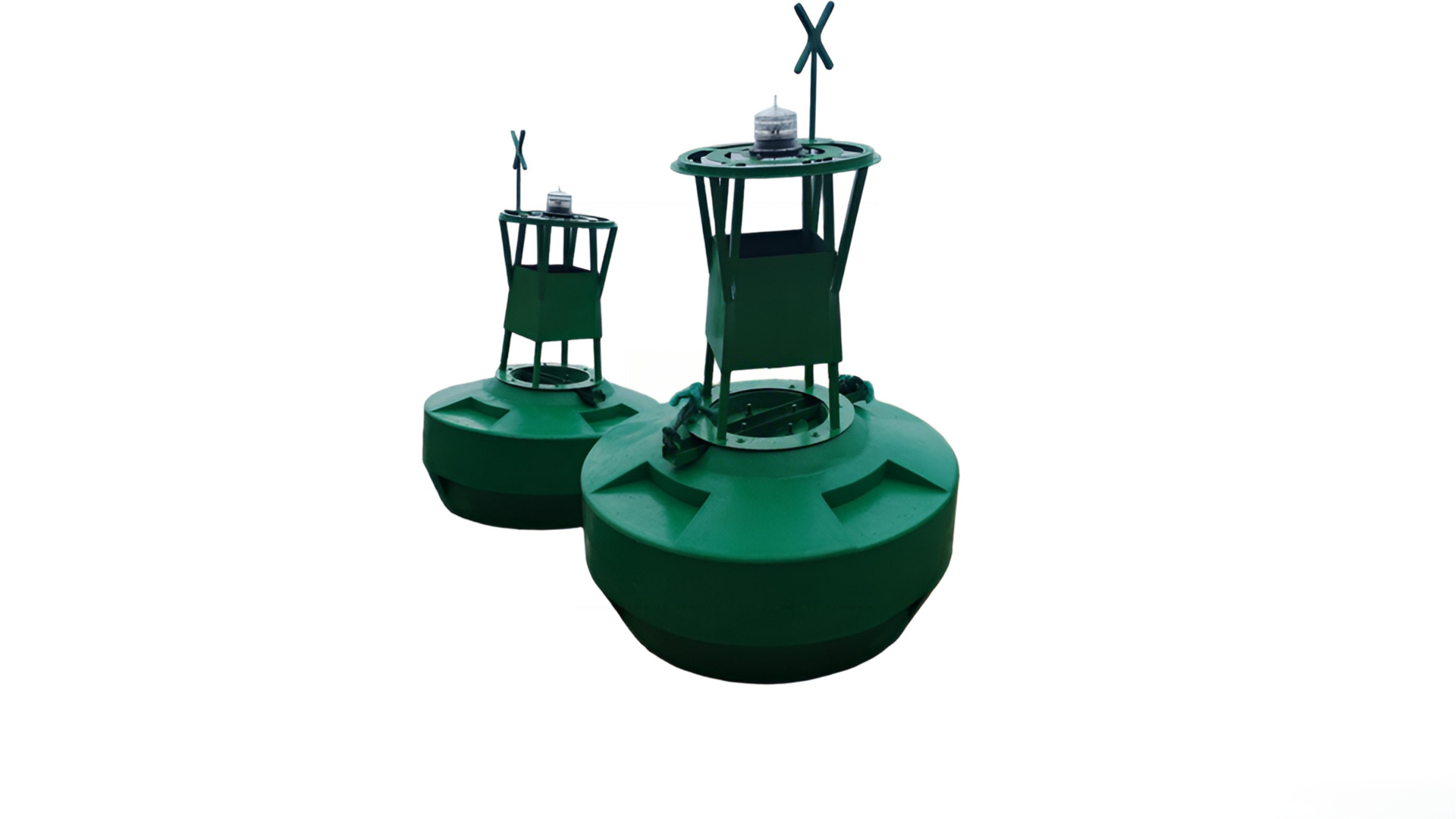
A navigation-aid and marking facility used to clearly define sea-area ownership boundaries and delimit sea-use ranges. Widely used in marine ranches, aquaculture areas, marine reserves, channels, temporary construction areas and marine-engineering perimeters, it helps users manage sea-use rights lawfully and in compliance, reduce sea-use disputes, and improve the safety and compliance of offshore operations.

System Composition

  • Buoy body: HDPE or steel float — impact-resistant, corrosion-resistant and anti-aging
  • Marking system: high-visibility topmark, reflective film, customized number / text plate; warning system: solar navigation light, radar reflector
  • Mooring system: high-strength anchor chain, shackle, swivel, gravity anchor; optional AIS aid-to-navigation, BeiDou positioning, meteorological / hydrological sensors

Core Functions

  • Ownership marking: clearly defines the legal boundaries of aquaculture areas, marine ranches and temporary sea-use areas
  • Safety warning: warns vessels to give way and prevents accidental entry into aquaculture or construction areas; provides a surface reference point for fishery, surveying and engineering
  • Optional BeiDou positioning and water-quality sensors enable real-time boundary-position monitoring and environmental monitoring

Technical Specifications

  • Float diameter 0.8/1.2/1.5/2.0m, overall height 2.5–5.0m (including topmark)
  • LED solar navigation light with a range of 1–3 nautical miles, operating 20+ days through continuous rain
  • Mooring anchor chain + gravity anchor, suited to water depths of 5–50m, with optional BeiDou/AIS and radar reflector

Product Advantages

  • Compliant with the maritime authority’s Aids to Navigation Management Regulations and the Sea Area Use Management Law
  • Significantly reduces vessel-intrusion accidents in aquaculture and construction areas; a physical boundary marker is a one-time investment with long-term effect, and can be paired with BeiDou to prevent drift and loss
Navigation Aid Series · GW-OCEAN

Navigation Aid Series

Navigation Aid Series

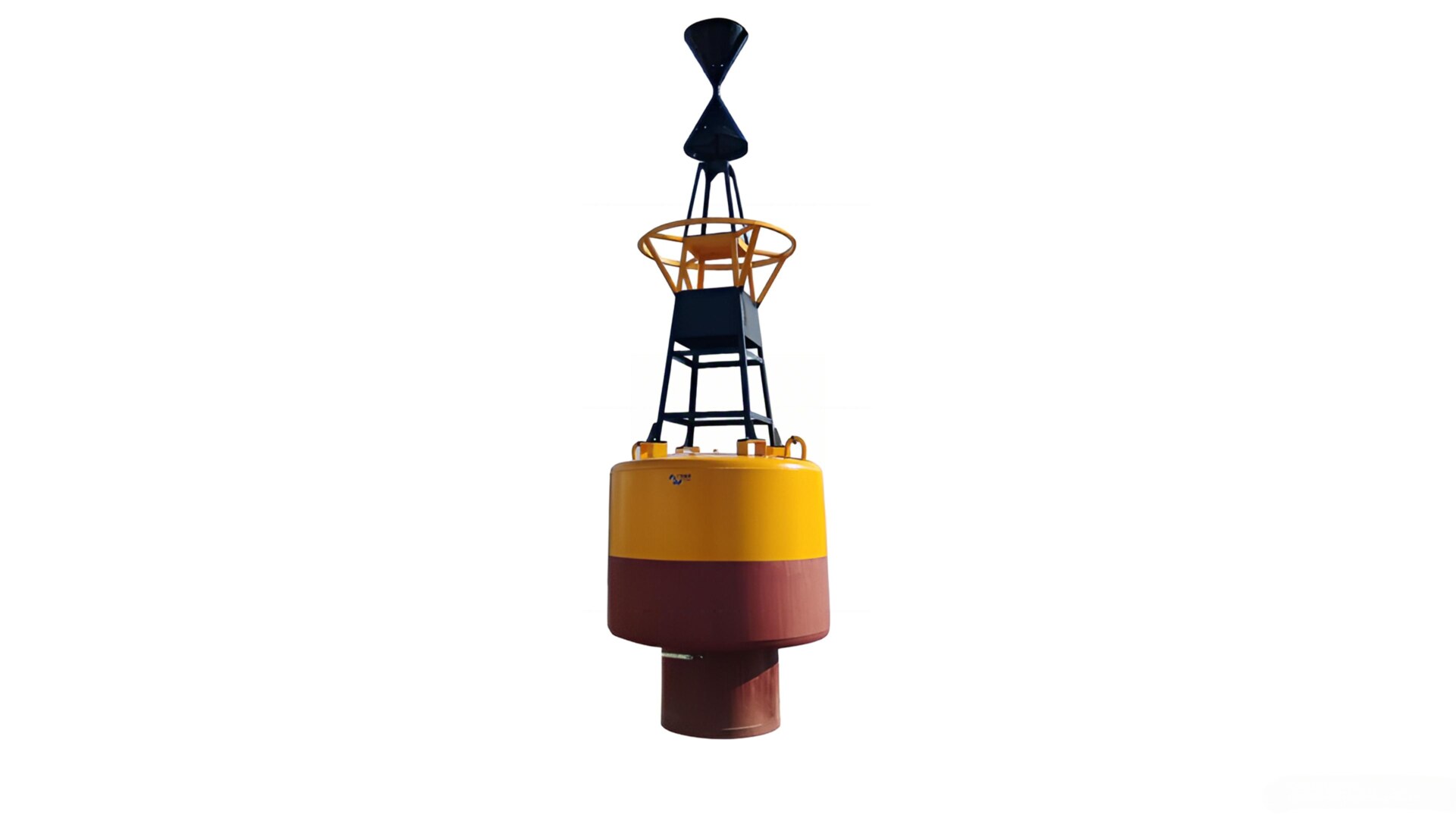
An important navigation-aid facility for safeguarding vessel navigation, used to mark channels, obstructions, hazardous areas and special-water boundaries. The product range covers light buoys, fixed marks, AIS aids-to-navigation and matching mooring systems, suited to ports and channels, inland waterways, offshore wind farms, bridge waters, aquaculture-area boundaries and more — all compliant with IALA and the relevant technical standards of China’s maritime authority.

Product Categories

  • Light buoy: marks channel centerlines, turning points and hazard boundaries — float + light frame + navigation light, visible day and night
  • Warning mark / fixed mark (shore mark, bridge-culvert mark, beacon) / AIS virtual aid-to-navigation / GPS-synchronized flashing navigation light
  • AIS aids-to-navigation require no physical buoy, suited to temporary or deep-water areas

System Composition

  • Float of HDPE / steel / composite material; light frame of stainless steel or hot-dip galvanized steel, with customizable height
  • LED navigation light with solar power, range 1–5 nautical miles, with 256 selectable light characteristics
  • Solar panel + maintenance-free battery, operating 20+ days through continuous rain; optional BeiDou/GPS telemetry and remote control

Technical Specifications

  • Float diameter 0.8/1.2/1.8/2.4m, overall height 3–8m, light range 1–5 nautical miles
  • Light colors red / green / white / yellow / blue (per IALA recommendations), with customizable light characteristics
  • Working water depth 5–50m (deeper available on request), wind resistance grade 12, HDPE float life ≥10 years

Product Advantages

  • Design, manufacturing and testing comply with standards such as GB/T 15316 and JT/T 788 and with IALA specifications
  • Navigation-light MTBF ≥50000 hours, long endurance, modular and easy to maintain, with optional telemetry and remote control for unattended operation
UV-fluorescence Oil-spill Alarm · GW-OCEAN

UV-fluorescence Oil-spill Alarm

UV-fluorescence Oil-spill Alarm

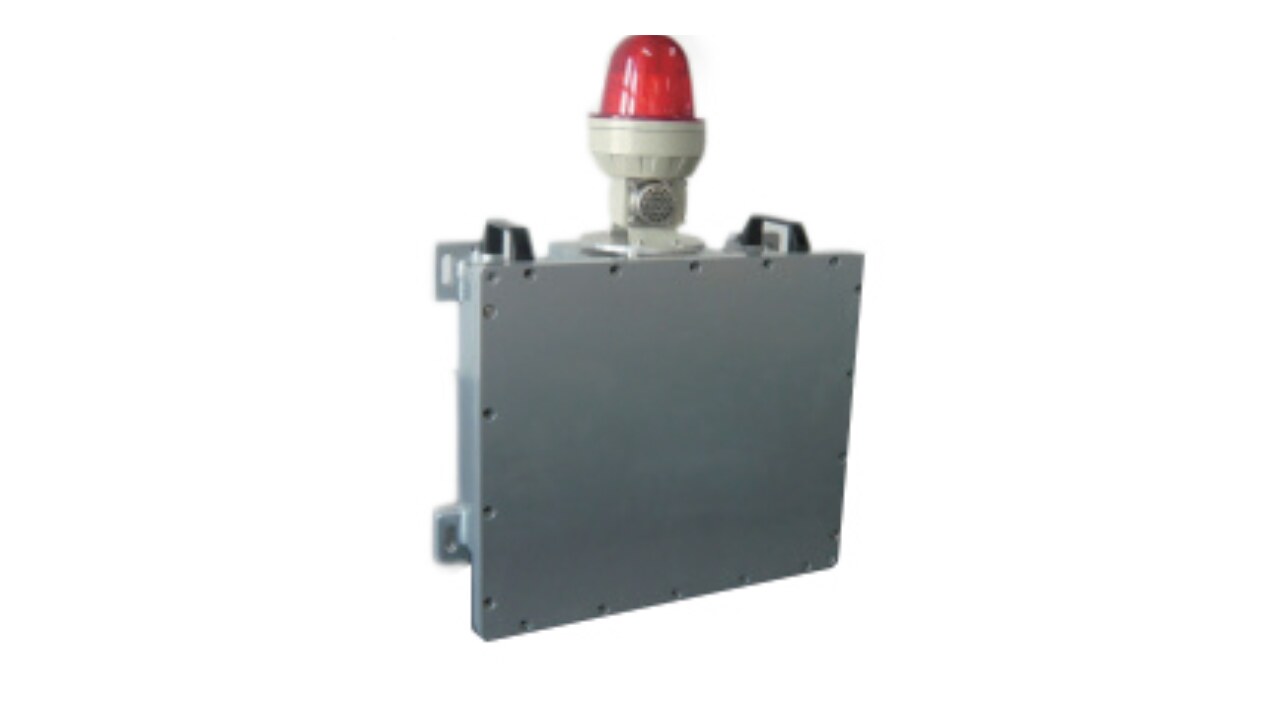
A high-sensitivity point-source oil-spill monitoring terminal developed for offshore wind-farm oil-spill monitoring. Mounted on the outside of the turbine body, it uses the UV-fluorescence method to monitor the sea surface near the turbine around the clock for hydraulic-oil and gear-oil leaks; once an oil film is detected, it automatically alarms and uploads to the shore-based control room — making it a core front-end sensing device for "early detection, early warning and early disposal".

Working Principle

  • A built-in xenon lamp emits pure ultraviolet light of a specific wavelength, shining vertically onto the sea surface
  • An oil film on the sea surface (hydraulic oil, gear oil) absorbs the ultraviolet light, becomes excited and releases characteristic fluorescence
  • An optical lens captures the fluorescence, amplified by a photomultiplier tube for highly sensitive identification of trace oil; any detection triggers the alarm

Technical Specifications

  • Material 316L stainless steel, explosion-proof marking Exde IIB T6, protection rating IP68
  • Monitoring distance 0.2–15 m, communication Modbus RTU/TCP, operating voltage 24V DC
  • Operating temperature -25℃–+55℃, compliant with NB/T 11760-2025 “Technical Specification for Oil-spill Monitoring at Offshore Wind Farms”

Core Functions

  • Around-the-clock, highly sensitive detection of micron-scale ultra-thin oil films, with specific response to hydraulic / gear oil
  • The UV-fluorescence method excludes interference from algae, spray and sunlight for a low false-alarm rate; distributed networking precisely locates the leak source
  • Remote data transmission, with SCADA-system integration and built-in fault self-check

Application Scenarios

  • Monitoring of gear-oil and hydraulic-oil leaks from offshore wind-farm turbines (the core scenario)
  • Point-source oil-spill monitoring around offshore oil platforms, and oil-leak alarms at docks and ports
  • Early warning of oil spills in sensitive waters of marine reserves, and oil monitoring of waters near sea-crossing bridge piers

02 · ONLINE WATER QUALITY MONITORING

Online Water-quality Monitoring Equipment

Full-chain online water-environment monitoring and wireless telemetry for aquaculture, tailwater and near-shore estuaries.

Aquaculture Water-quality Station · GW-OCEAN

Aquaculture Water-quality Station

Aquaculture Water-quality Station

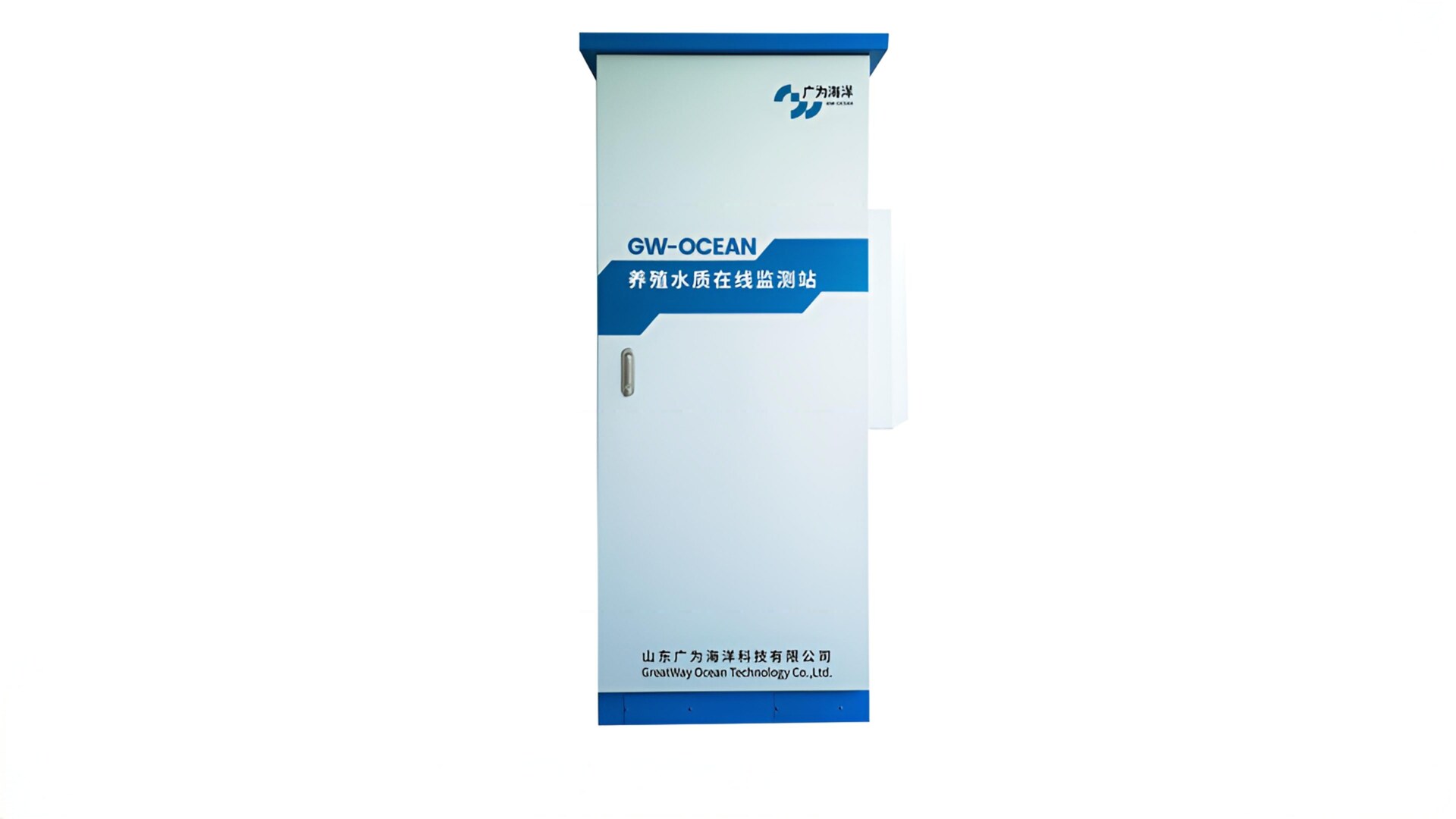
An automatic water-quality monitoring device for aquaculture, surface-water monitoring and similar fields. It continuously monitors water-quality changes in the target waters in real time, obtaining around-the-clock monitoring data to help users keep abreast of aquaculture water quality, reduce farming risk and improve scientific management. The product complies with the monitoring technical standards of authorities such as the Ministry of Ecology and Environment and the Ministry of Water Resources, and suits a wide range of farming environments including seawater and freshwater.

Product Features

  • Customizable multi-parameter: water temperature, pH, dissolved oxygen, conductivity, salinity, suspended solids, ammonia nitrogen, nitrite, nitrate, phosphate, total phosphorus, total nitrogen, permanganate index, chlorophyll, blue-green algae, etc.
  • Dual measurement modes (automatic operation / maintenance and debugging), 7-inch industrial-grade full-color touchscreen, 4G/5G wireless data transmission
  • Reagent-shortage alarm, history export to U-disk, three-level permission hierarchical management

System Composition

  • Water-sampling unit (submersible pump, dual-pump piping), water-distribution and pretreatment unit (grit chamber, filtration)
  • Analysis unit (multi-parameter sensors, ammonia-nitrogen analyzer, spectrophotometric / electrode method), control unit (PLC + touchscreen)
  • Power-supply unit (220V±10% regulated), auxiliary unit (reagent refrigeration, cabinet air-conditioning, optional video surveillance)

Core Functions

  • Automatically triggers dual-channel sampling, settling, analysis and emptying at preset hours
  • Monitoring data is uploaded wirelessly to the central server and viewable on mobile / PC; reagent shortage, faults and measurement anomalies are alarmed automatically
  • The dual sampling pools can alternately sample and test two monitoring points or different water layers

Product Advantages

  • Detection methods meet standards such as GB3838, HJ915 and HJ/T91, with parameters customizable by farmed species
  • Unattended around-the-clock monitoring, dual-pump dual-channel redundancy, modular and easy maintenance, integrable into the Smart Fishery platform
Tailwater Online Monitoring Station · GW-OCEAN

Tailwater Online Monitoring Station

Tailwater Online Monitoring Station

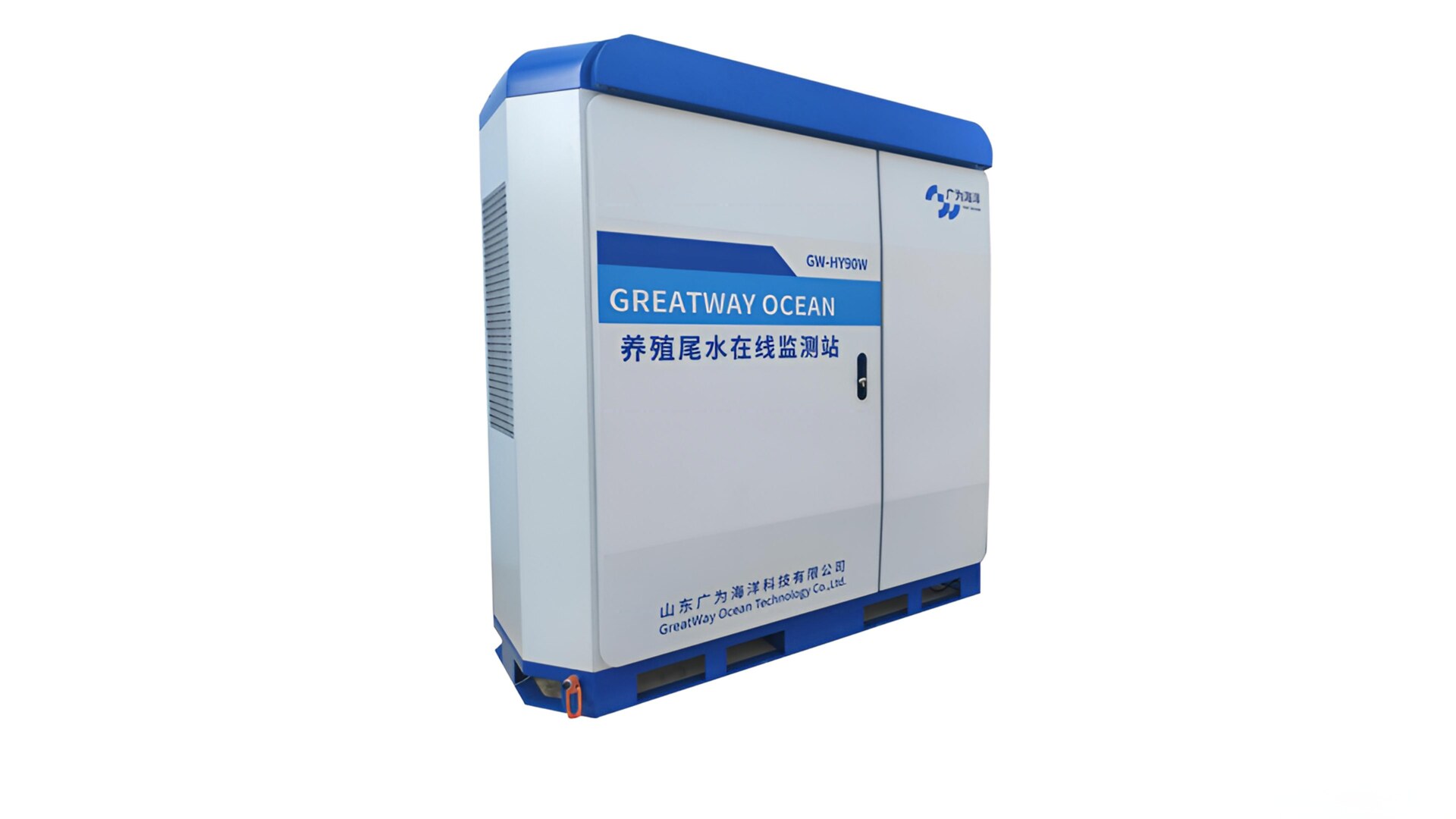
A comprehensive online automatic monitoring system built around online automatic analyzers and combining modern sensors, automatic measurement, automatic control, computer applications and dedicated management-and-analysis software with a communication network. It monitors the water-quality parameters of the target waters around the clock and in real time, generates analysis reports online, and provides operational support for environmental-protection authorities to monitor changes in water-environment factors and water pollution.

Product Features

  • Customizable multi-parameter (water temperature, pH, dissolved oxygen, conductivity, salinity, suspended solids, ammonia nitrogen, nitrite, nitrate, phosphate, total phosphorus, total nitrogen, permanganate index, chlorophyll, blue-green algae, etc.)
  • Dual measurement modes, 7-inch industrial touchscreen, 4G/5G wireless transmission, reagent-shortage alarm
  • History export to U-disk (Excel), three-level hierarchical management

System Composition

  • Water-sampling unit, water-distribution and pretreatment unit (grit chamber, filtration), analysis unit (spectrophotometric / electrode method)
  • Control unit (PLC + touchscreen + data acquisition), power-supply unit, auxiliary unit (reagent refrigeration, cabinet air-conditioning)

Core Functions

  • Automatic hourly sampling, settling, analysis and emptying; data is uploaded wirelessly for remote viewing
  • Alarms and diagnostics display the specific cause on the touchscreen; the dual sampling pools sample and test alternately

Product Advantages

  • Detection methods meet standards such as GB3838, HJ915 and HJ/T91; parameters are customizable
  • Unattended automatic operation, dual-pump dual-channel redundancy, easy maintenance, integrable into the Smart Fishery platform
Smart Wireless Telemetry Terminal · GW-OCEAN

Smart Wireless Telemetry Terminal

Smart Wireless Telemetry Terminal

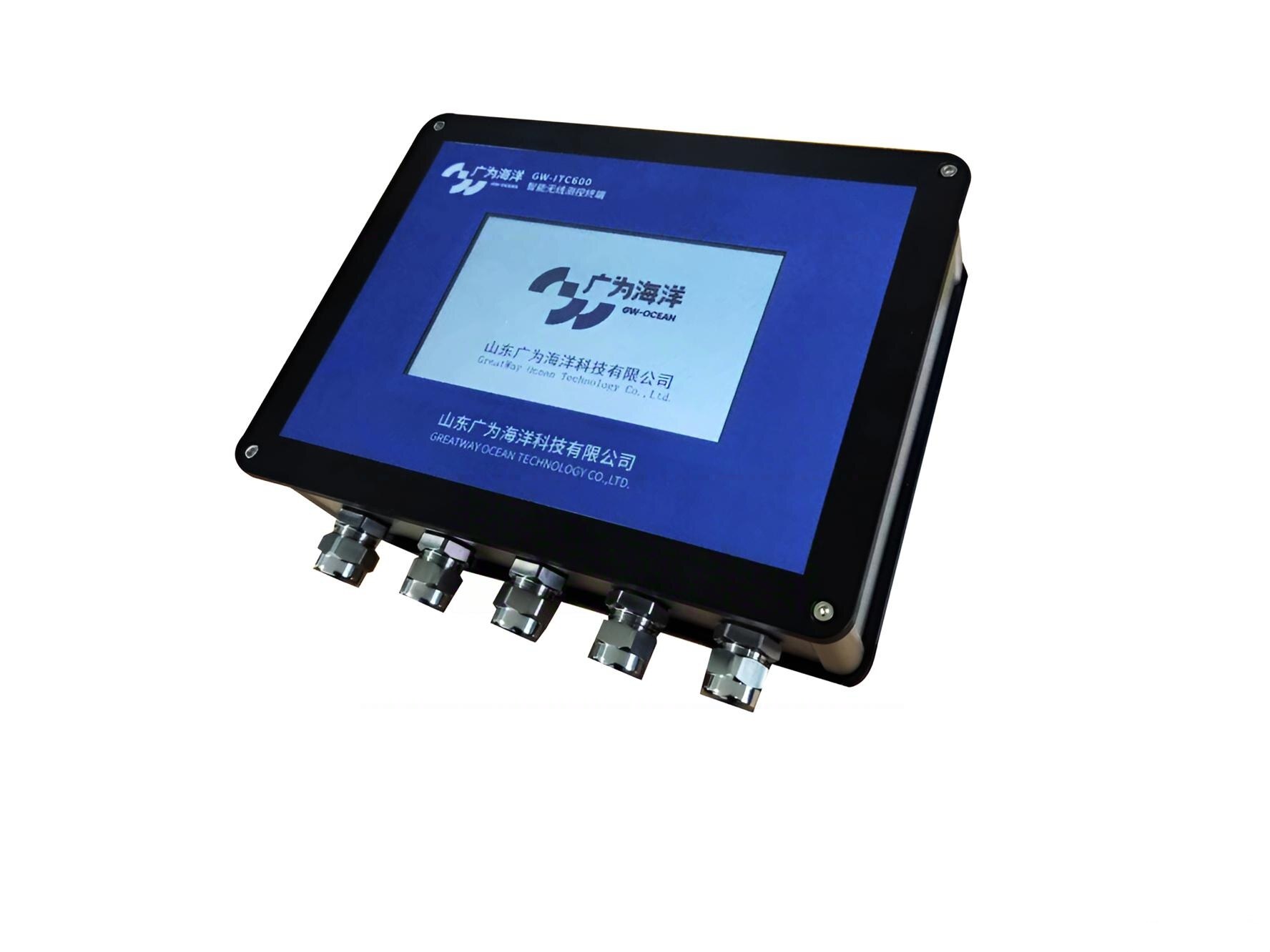
A multifunctional IoT terminal that deeply integrates wireless communication, multi-dimensional sensor acquisition, low-power control and big-data reception and processing, with functions including data acquisition, remote control, threshold alarms, historical-data storage and BeiDou/GPRS dual positioning. It supports 4G/5G full-network access and WiFi wireless networking; users can view data and remotely control devices in real time via the web or a mobile app, achieving unattended intelligent management.

Product Features

  • Multi-channel sensor access (RS485/RS232), collecting water quality, meteorology, device status and other parameters
  • Remote control of pumps, aerators, valves and other devices; BeiDou + GPRS dual positioning for asset management and track tracing
  • Industrial-grade 5/7-inch full-color touchscreen, threshold alarms, high-capacity history storage, low power (running < 3W, peak < 7W)

Technical Specifications

  • Aluminum-alloy / all-plastic PC housing, powered by 220VAC or 9-36VDC (solar-compatible)
  • Inputs: 2× RS485 + 1× RS485/RS232; outputs: 4× I/O relays; protection rating IP56
  • Operating temperature -25℃–65℃, dimensions 205×155×60mm / 235×185×120mm in two specifications

Core Functions

  • Data acquisition and upload, remote relay control, BeiDou + GPRS dual positioning (with electronic-fence support)
  • Local touchscreen display, out-of-limit alarms (app / SMS / platform), local storage of ≥1 year of data with breakpoint-resume support

Application Scenarios

  • Environmental monitoring and remote aerator control for Intelligent Ocean / marine ranches; dissolved-oxygen, pH and water-temperature acquisition and device control for Smart Fishery / farming workshops
  • Environmental monitoring stations, industrial IoT, water conservancy and water affairs, agricultural irrigation, and asset-location tracking of mobile equipment
Estuary Water-environment Station · GW-OCEAN

Estuary Water-environment Station

Estuary Water-environment Station

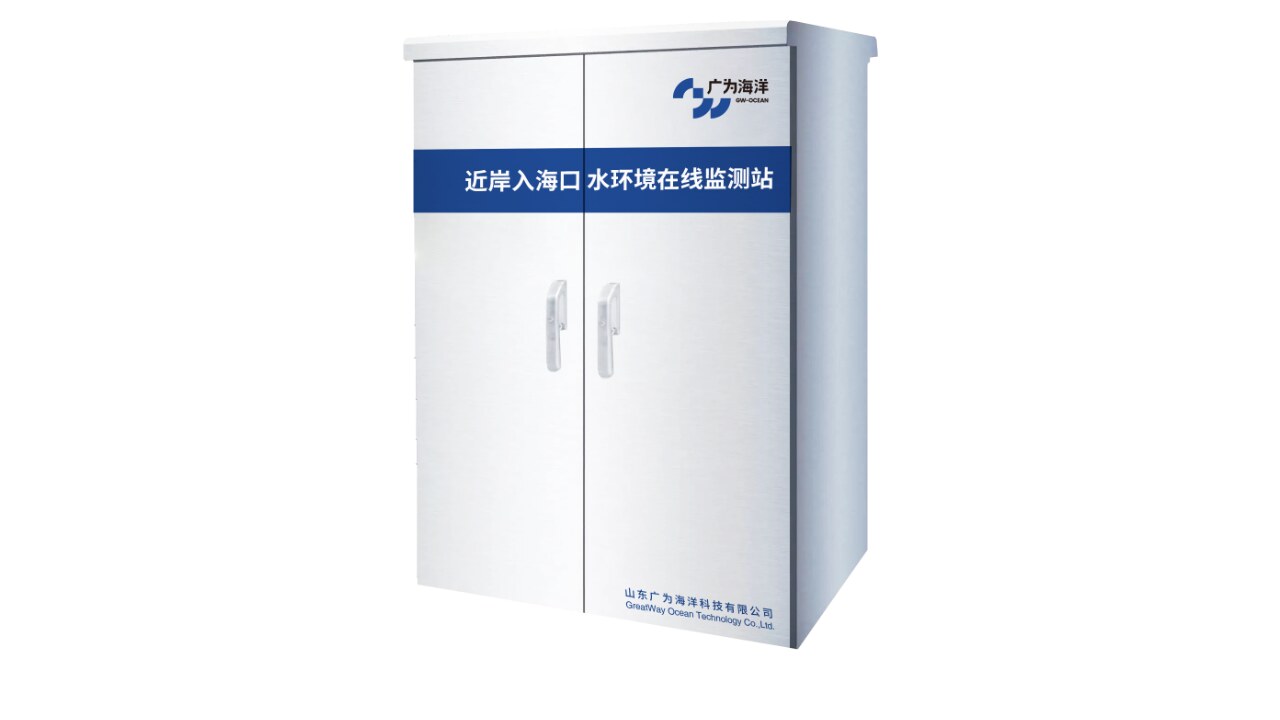
A comprehensive online automatic monitoring system designed for estuaries, near-shore waters, outfalls, aquaculture tailwater and similar scenarios. Built around online automatic analyzers and combining modern sensors, automatic control, computer applications and dedicated analysis software, it monitors target-water quality parameters around the clock and in real time, intelligently analyzes and processes them, and generates reports online — providing operational support for environmental authorities to monitor changes in water-environment factors and warn of water pollution.

System Composition (Eight Core Units)

  • Water-sampling unit (dual pumps, one working and one standby), water-distribution and pretreatment unit (filtration, grit removal, purging, algae removal and sterilization)
  • Monitoring-instrument unit (multi-parameter, CODmn, total phosphorus, total nitrogen, heavy metals and other analyzers), system control and acquisition unit (industrial computer + PLC)
  • Data transmission (wired / fiber / 4G/5G/NB-IoT encrypted), automatic sample retention, auxiliary unit, dedicated software platform

System Features

  • Modular design, high integration (minimum footprint about 1 ㎡), long maintenance-free cycle
  • Encrypted data transmission + access-control and environmental monitoring; unattended around-the-clock automatic sampling, distribution, analysis, cleaning and sample retention

Monitored Parameters

  • Conventional sensor class: temperature, pH, suspended solids, dissolved oxygen, conductivity, salinity, chlorophyll, blue-green algae
  • Conventional analysis class: ammonia nitrogen, phosphate, nitrate, nitrite, total phosphorus, total nitrogen, permanganate index
  • Heavy-metal class (optional): total copper, total zinc, total lead, total mercury

Software Platform & Advantages

  • GIS real-time monitoring, data management, device-operation management, remote control, quality-control management, platform configuration
  • 7×24 unattended operation, 20+ integrated indicators, compliant with GB3838/HJ915/HJ/T91, intelligent quality control, remote operations, automatic waste-liquid collection with no secondary pollution

03 · OTHER FISHERY EQUIPMENT

Other Fishery Equipment

Fish finding, feeding, aeration, counting and operation platforms — serving the daily production stages of industrial and pond aquaculture.

Portable Sonar Fish Finder GW-SFD100 · GW-OCEAN

Portable Sonar Fish Finder GW-SFD100

Portable Sonar Fish Finder

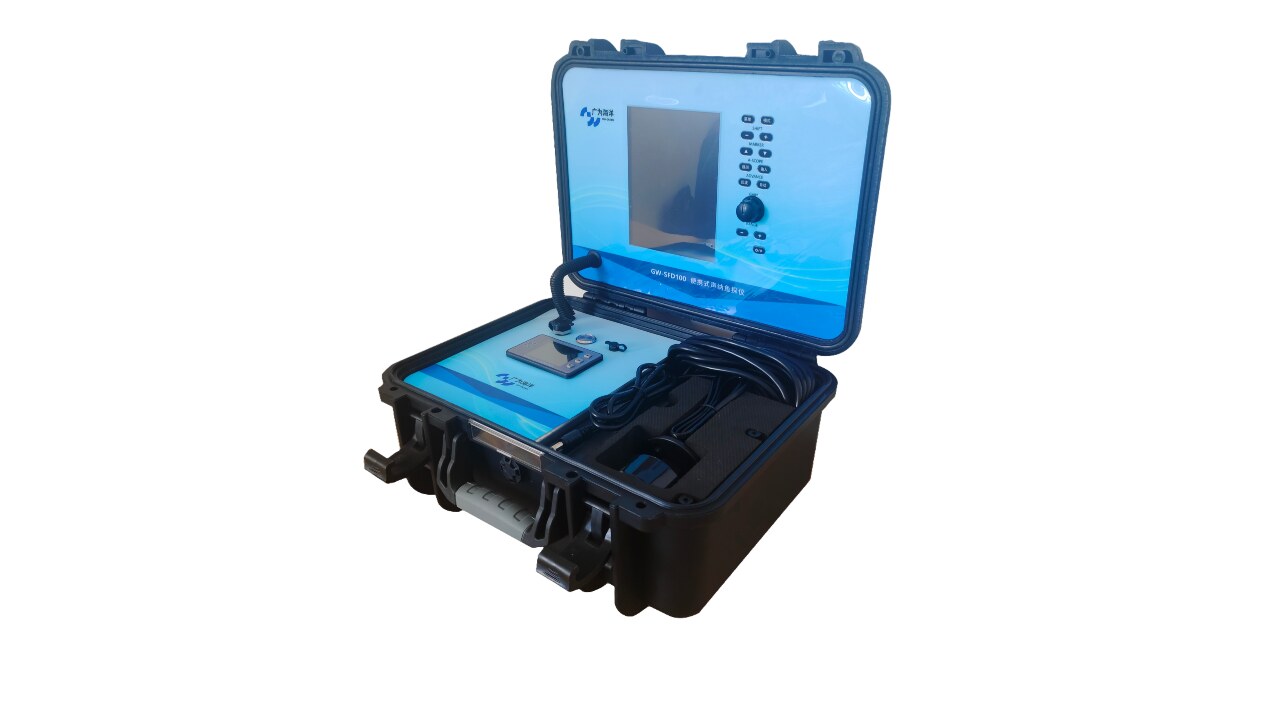
A compact, high-precision underwater detection device. An ultrasonic transducer emits sound waves; echoes returned by targets such as fish schools, underwater organisms and seabed reefs are processed and displayed as color images showing target size, depth and distance, while also obtaining information such as water depth, seabed topography and fish-school density. Widely used in fishery-resource surveys, fishing-operation assistance, cage-aquaculture monitoring, marine-ranch construction and artificial-reef effect evaluation.

Main Modules

  • Display-control unit: 7-inch true-color LCD, integrating the operating interface and data processing
  • Ultrasonic transducer: transmits / receives 50kHz and 200kHz dual-frequency sound waves at 300W power
  • Power-supply unit: high-capacity lithium battery pack, rated 24V/18Ah, suited to long field operations

Core Technical Specifications

  • Base ranges 5/10/20/40/80/150/300/600/1000 m, maximum range 1000 m
  • Echo intensity shown in 8 colors; display modes include 200kHz, 50kHz, dual-frequency, zoom and A-scope
  • Carry case rated IP66; device 360×290×170mm, weight 7kg, operating temperature 0–+50℃

Core Functions

  • Fish-school detection, water-depth measurement, seabed-topography mapping, dual-frequency detection, zoom display, automatic mode
  • Triple alarms for bottom / fish / temperature, interference suppression, and forward-speed adjustment matched to vessel speed for stable imagery

Application Scenarios

  • Fishery-resource surveys, fishing-operation assistance, cage-aquaculture monitoring
  • Marine-ranch construction, artificial-reef effect evaluation, underwater topography mapping, research and teaching
Industrial Auto-feeding System · GW-OCEAN

Industrial Auto-feeding System

Industrial Auto-feeding System

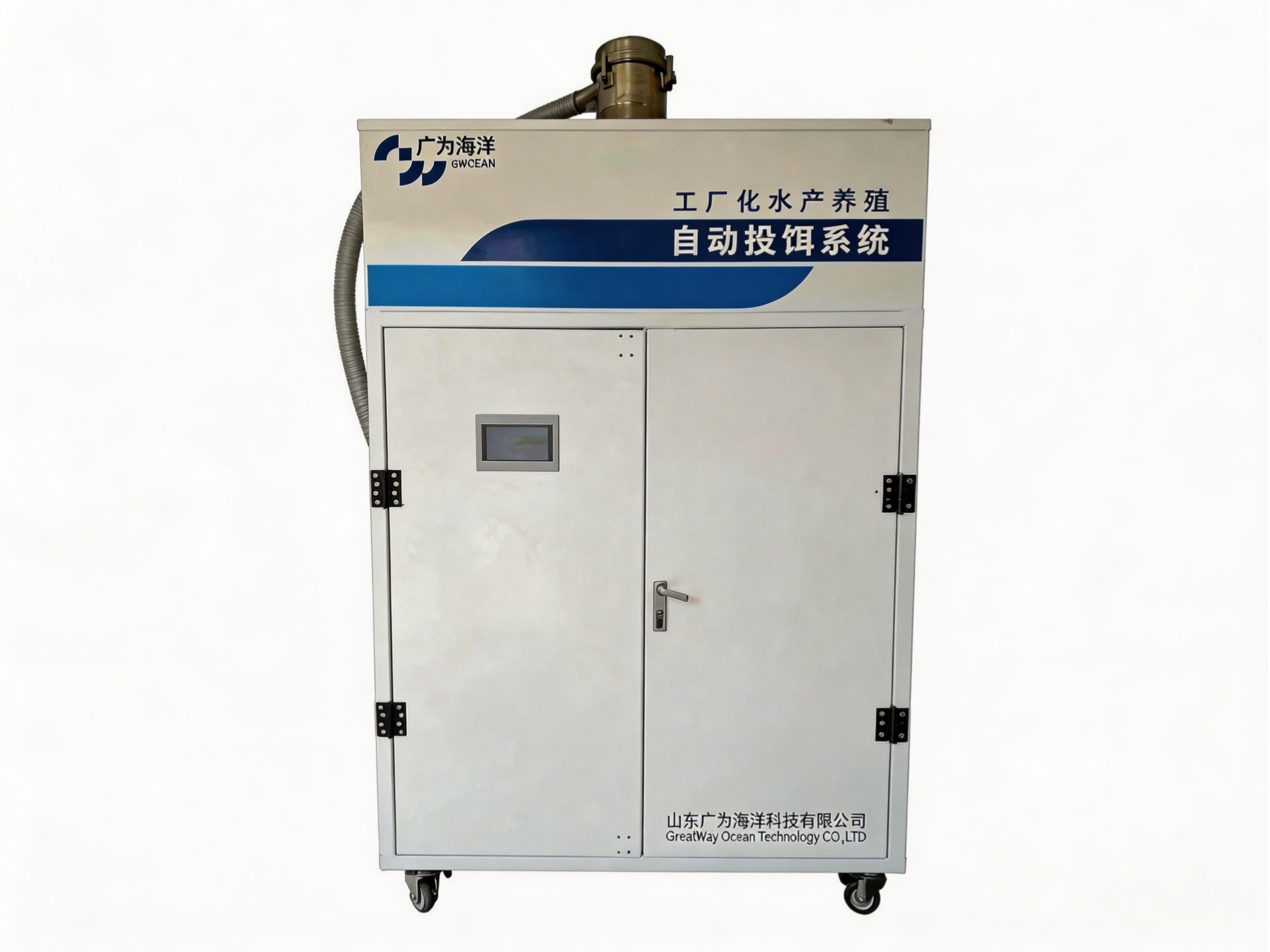
A centrally integrated automatic feeding solution for large-scale, intensive farming bases. Built around positive-pressure pneumatic conveying, it uses a central control system, large silos, a pipe-network distribution, terminal throwing devices and a remote management platform to provide timed, quantified and targeted automatic feeding for dozens to hundreds of farming pools — making it a key piece of equipment for industrial recirculating-water systems, land-based parks and industrial shrimp bases to achieve "machines replacing labor" and fine management.

System Composition

  • Central-silo unit (5–30m³, level sensor, anti-bridging), pneumatic-conveying unit (Roots / high-pressure blower, air-water separation)
  • Pipe-distribution unit (PE main and branch pipes, electric / pneumatic diverter valves), terminal feeding unit (throwing head, rotary spreading disc)
  • Control unit (PLC + touchscreen + weighing module), communication unit, local + remote software platform

Working Principle

  • The central controller issues commands per a preset plan; the blower generates high-pressure airflow; diverter valves open and the feeder weighs and dispenses precisely
  • Feed travels through the main pipe → branch pipe → throwing head, scattered evenly over the water surface in an umbrella / rotating pattern
  • After feeding, the pipework is automatically purged to clear residue — the whole process requires no manual intervention, with one-click cluster feeding

Technical Specifications (Customizable)

  • Maximum single-line conveying 150m, single system modularly expandable to 4–128 pools, maximum throughput 10–50 kg/min
  • Feed particle size 0.5–12mm, single-pool feeding error ≤3%, silo 5–30m³
  • Communication Modbus TCP/OPC UA, power AC 380V, total power 7.5–37kW

Product Advantages

  • Significant scale benefits, feed-utilization rate improved by 15–25%, and better farming uniformity
  • Reduced residual-feed deposition eases water-quality load, closed conveying suits harsh environments, modular and flexibly expandable, with data-driven management
Rail-mounted Feeder · GW-OCEAN

Rail-mounted Feeder

Rail-mounted Feeder

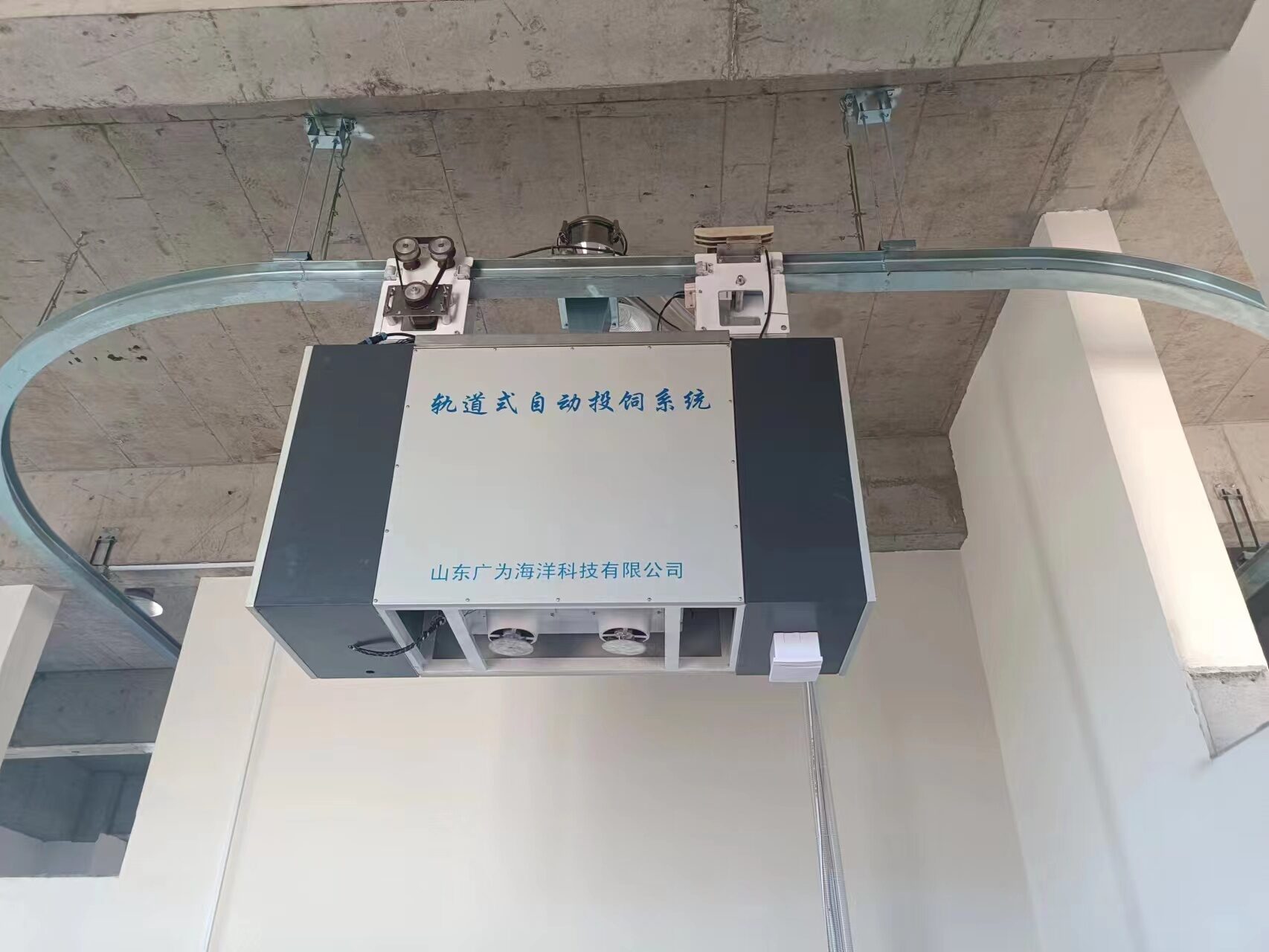
An automated feeding device designed for indoor multi-pool layouts such as industrial farming workshops and hatchery workshops. It consists of a travel rail, an electric feeding cart, a silo, a control system and a remote management platform; the cart moves along the rail above the farming pools, automatically dispensing and evenly scattering feed when it reaches a feeding point, achieving precise multi-pool, multi-point feeding and effectively solving the problems of labor-intensive, uneven and wasteful manual feeding.

System Composition

  • Rail unit (I-beam / aluminum alloy, hangers), feeding-cart unit (travel motor, silo, dispenser, throwing device)
  • Control system (PLC + touchscreen + positioning sensor + encoder), power supply (safe sliding contact line / drag chain / lithium battery)
  • Local control program + mobile app / web remote management

Working Principle

  • The feeding cart travels along the rail driven by a motor, moving to the designated pool feeding point per a preset plan
  • On arrival the dispenser opens and the throwing device scatters feed evenly; when done it automatically moves to the next pool
  • Supports fully automatic cycling, targeted feeding and manual remote control, managing dozens of farming pools simultaneously

Technical Specifications (Customizable)

  • Rail span 3–12m, travel speed 0–30 m/min, silo 30–100L, feed particle size 0.5–8mm
  • Single-pool feeding error ≤5%, positioning accuracy ±2cm, positioning via encoder + proximity switch / magnetic navigation / RFID
  • Power AC 220V or DC 24V, rail length customized to the workshop (over 100m at most)

Product Advantages

  • One unit can replace 2–3 people for feeding, mechanical scattering is more even, feed waste reduced by 10–15%
  • Adapts to multi-pool layouts, flexibly expandable, low-noise electric drive, and can be fitted with an end-of-line automatic refill station for full automation
Paddle-wheel Aerator · GW-OCEAN

Paddle-wheel Aerator

Paddle-wheel Aerator

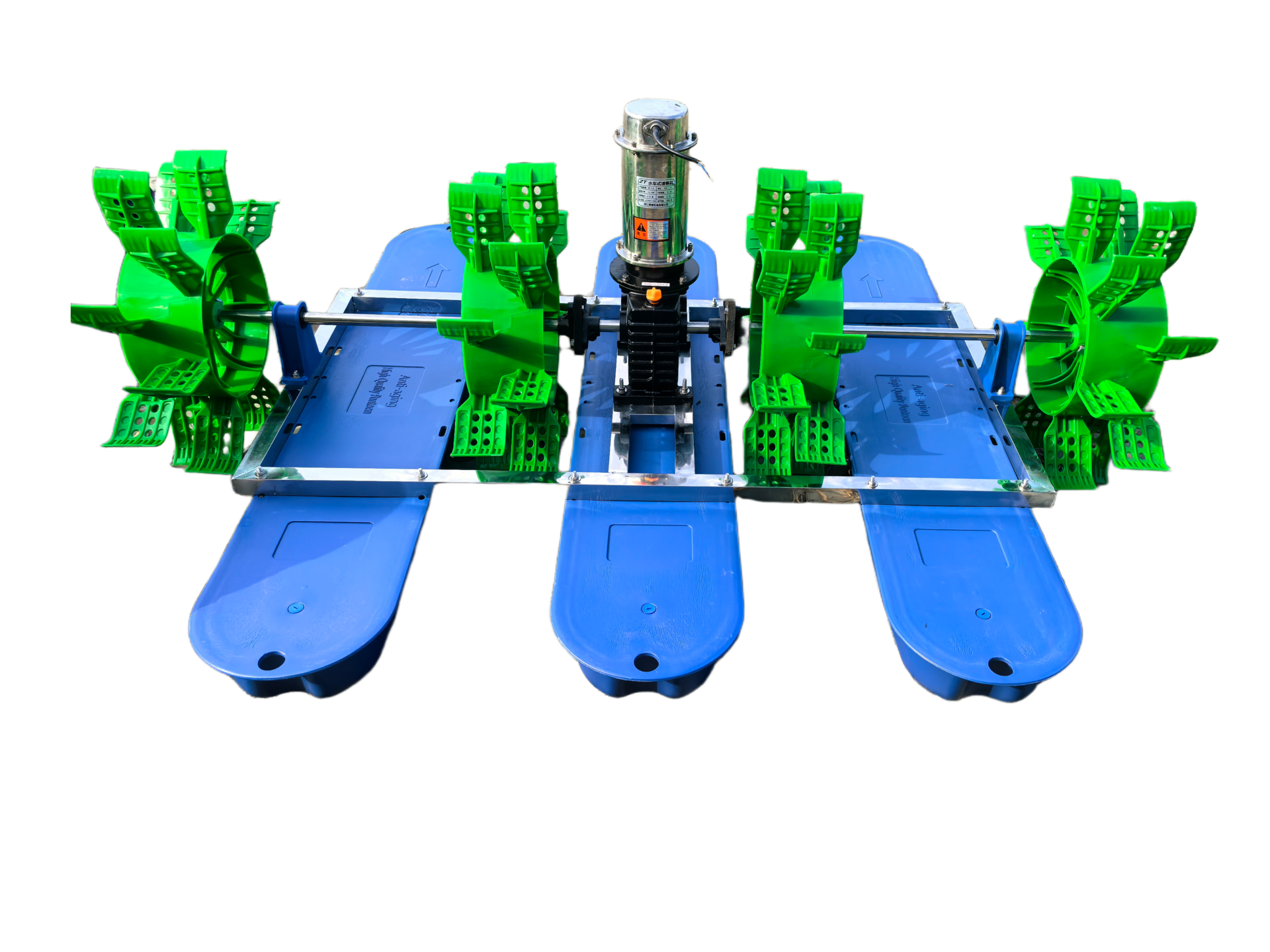
A dedicated device developed for aquaculture aeration needs. Powered by an electric motor, it drives an impeller to rotate via a reducer; the paddles strike the water surface to force air into the water, while creating a directional flow to promote water circulation and even dissolved-oxygen distribution. With a simple structure and reliable operation, it suits aeration for various farming ponds such as shrimp, crab and eel, and is important equipment for increasing stocking density and achieving stable, high yields.

Working Principle

  • Water-striking aeration: the blades strike the water surface to raise spray and force air into the water, increasing the gas-liquid contact area
  • Push-flow circulation + negative-pressure lifting: drives the water to flow directionally and lifts bottom water to the surface for water exchange
  • Centrifugal water-lifting: the blades leave the water surface and fling water into the air, dispersing it into fine droplets to increase air-dissolution efficiency

Product Features

  • The directional flow aids feeding for special fish and the cleaning of sediment; the impeller’s moderate speed does not stir the bottom mud, keeping pond water fresh
  • The arc bevel-gear drive saves over 20% more power than conventional models; the motor has a built-in protector that trips automatically on phase loss / overheating
  • The mechanical seal causes no oil-leak pollution, the gear pair needs no lubricating oil, and it adapts well to the farming ecosystem

Technical Specifications

  • GWZY3-0.75: 3 impellers, 0.75kW, aeration 1.1 kg/h, suited to 1-5 mu of water surface
  • GWZY5-1.5: 5 impellers, 1.5kW, aeration 1.9 kg/h, suited to 3-10 mu, power efficiency 1.25 kg/kW·h
  • Compliant with SC/T 6017 “Paddle-wheel Aerator”, motor protection IPX8 for long-term submerged operation

Applicable Scenarios

  • Shrimp and crab ponds (without stirring bottom mud), eel ponds (directional flow to induce feeding), shallow / long and narrow ponds
  • Multiple units arranged in industrial farming workshops to organize water circulation, using corrosion-resistant material for both seawater and freshwater
Fry Counter · GW-OCEAN

Fry Counter

Fry Counter

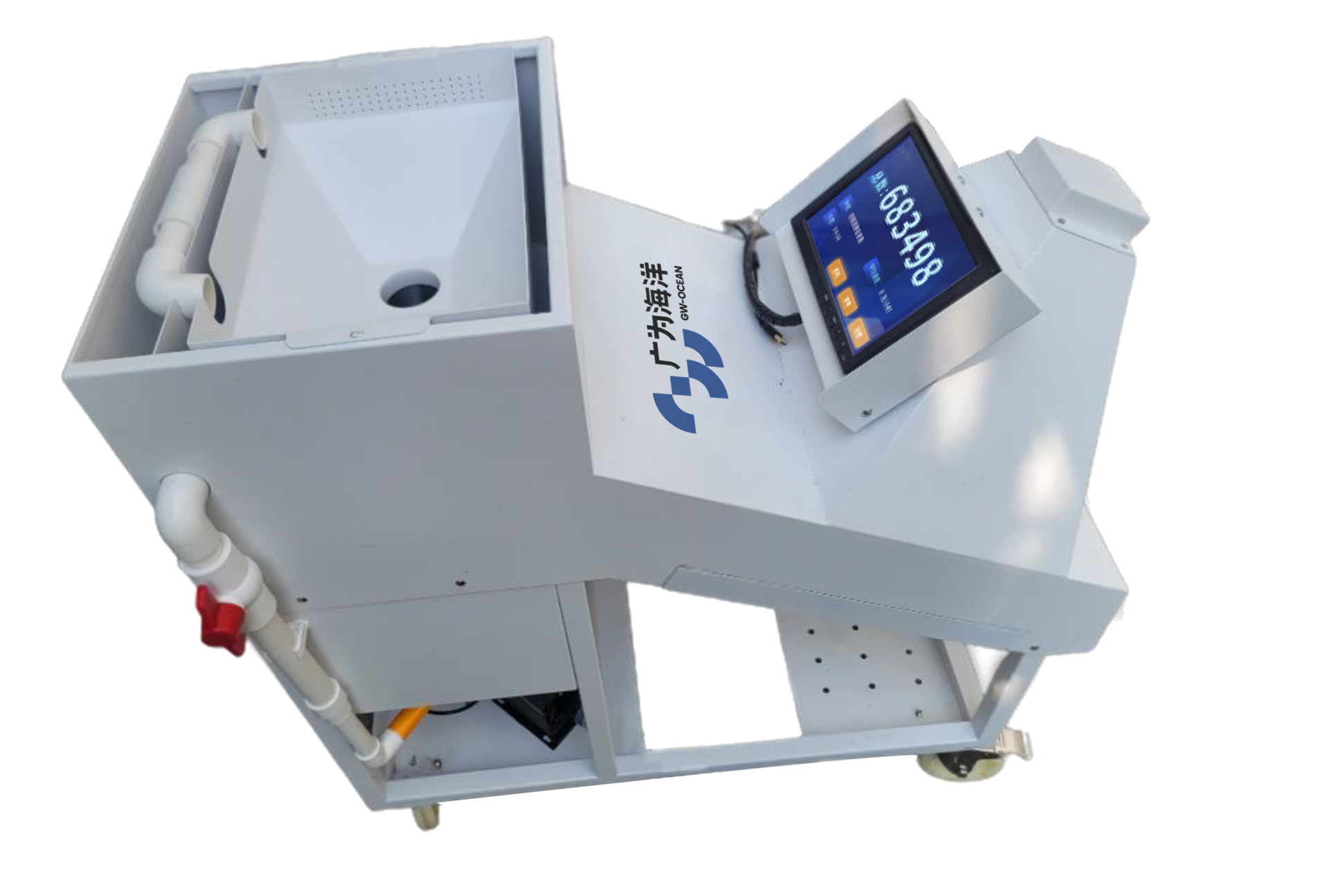
A high-throughput fry-counting device based on AI visual-recognition technology. With a chute structure, fry pass naturally along the chute with the water flow; a high-speed industrial camera captures images and a deep-learning algorithm recognizes and counts in real time — the fry stay in water throughout with no mechanical squeezing, achieving high-precision, high-efficiency and zero-harm counting. Widely used in fry sales, pool transfer, proliferation release and research statistics, replacing traditional manual estimation, bowl counting or weighing.

Product Series

  • MC200 compact: 1–15cm, ≥200,000 fry/hour, accuracy ≥99.5%, whole machine ≤30kg
  • EC300 factory-dedicated: 2–25cm, ≥300,000 fry/hour, accuracy ≥99.5%
  • FC500 medium-large: 2–35cm, ≥500,000 fry/hour, accuracy ≥99.5%

Core Technology

  • A fry-detection model based on a deep convolutional neural network (CNN), able to distinguish complex poses such as overlapping, crossing and sideways
  • A loss-free chute design with no blades, no wheels and no squeeze points; a high-speed industrial camera with global shutter captures at millisecond speed
  • Adaptive LED ring fill light and real-time edge computing output results in milliseconds with no need for cloud upload

Core Functions

  • The touchscreen displays cumulative count / instantaneous flow rate / batch statistics in real time; supports over a dozen seawater / freshwater fry species
  • Data storage and U-disk export to Excel, batch management, sensitivity adjustment, IPX5 water- and dust-proofing, portable and mobile

Product Advantages

  • Accuracy ≥99.5%, far higher than manual estimation (error 10-30%); up to 500,000 fry/hour
  • Water-flow lubrication throughout protects the fry from harm, multi-specification compatibility, simple operation, traceable data, and fewer quantity disputes
Floating Platform · GW-OCEAN

Floating Platform

Floating Platform

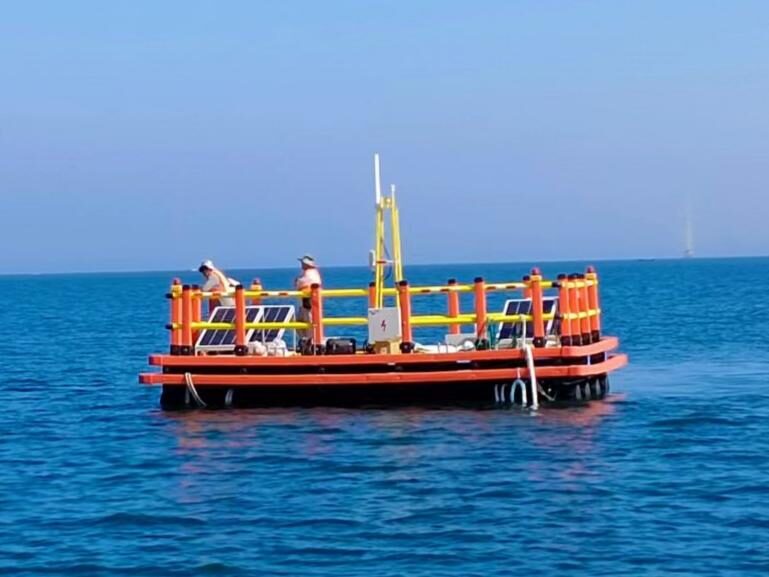
A modular, multi-purpose surface carrier. With a high-buoyancy float structure, it can be flexibly configured as needed to carry different functional modules, supporting a wide range of applications from environmental monitoring to surface operations and from emergency command to leisure and recreation. Widely used in marine ranches, near-shore waters, lakes and reservoirs, tourist attractions and emergency response, it is an ideal carrier for multifunctional surface operations.

Core Features

  • One platform, many uses — the same platform can switch between monitoring, operation, leisure, emergency and other functional modules
  • Modular design, high stability and wave resistance, with convenient land assembly, towing, anchoring and installation
  • HDPE / steel marine-grade corrosion protection, service life 8-10 years, with modules added later without replacing the main body

Product Series

  • GWP-Small: 3m×3m HDPE, payload 500kg, suited to water depths 2-20m, small monitoring station / fishing platform
  • GWP-Mid: 5m×5m HDPE / steel, payload 2 tons, suited to water depths 3-50m, integrated monitoring / operations / floating dock
  • GWP-Custom: size, material, payload and water depth customized as needed

Multifunctional Applications

  • Environmental monitoring: water-quality / hydrological / meteorological / ecological monitoring platform; surface operations: temporary worksite, floating dock, material transfer, pump station
  • Leisure and tourism: fishing / leisure / viewing platform, water-sports base; emergency and security: emergency command, firefighting, rescue, alert
  • Research, education and aquaculture: experiment / outreach / teaching platform, farming custody, automatic feeding, fishing assistance

Typical Specifications (GWP-Mid)

  • Platform 5m×5m (customizable), payload 2 tons, wind resistance grade 10-12, wave resistance height 3m
  • Suited to water depths 3-50m, single-point / multi-point mooring, design life 8-10 years
  • Land assembly, surface towing and anchoring, with deployment completed in 1-2 days

04 · RADAR & ELECTRO-OPTICAL

Radar & Electro-optical Equipment

Radar and electro-optical sensing equipment for maritime safety control and target detection.

Surveillance Radar Series · GW-OCEAN

Surveillance Radar Series

Surveillance Radar Series

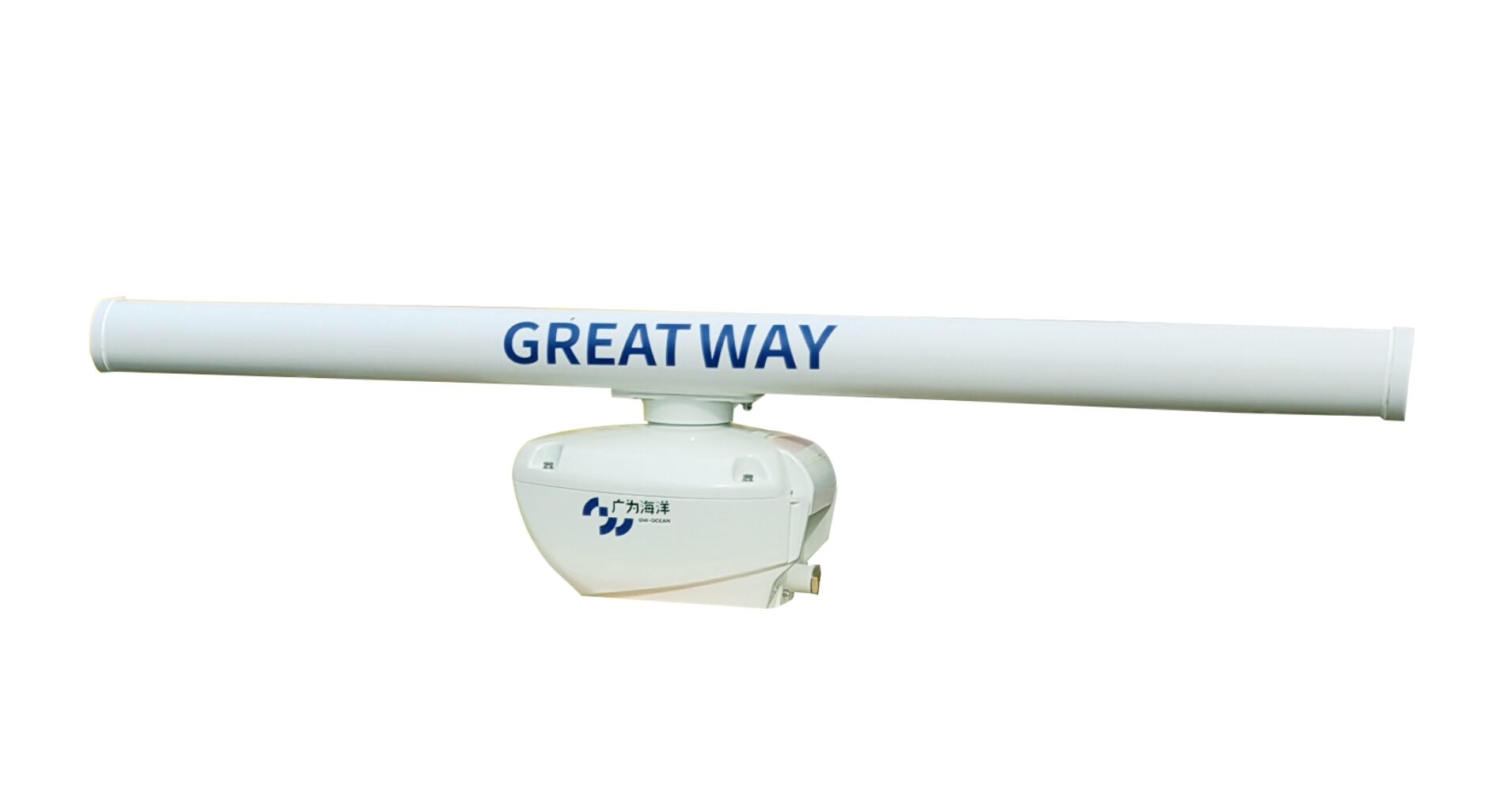
An X-band pulse radar based on slotted-waveguide antenna technology, designed for maritime target detection, near-shore surveillance, port management and offshore wind-farm oil-spill monitoring. It offers three peak-power options — 25KW, 12.5KW and 6KW — to flexibly suit different surveillance ranges and accuracy needs, with advantages such as long detection range, strong small-target recognition and strong environmental adaptability.

Product Series & Detection Capability

  • 25KW radar: large targets >30 km, very small targets (RCS≥0.1m²) 5-7 km
  • 12.5KW radar: large targets >20 km, very small targets 4-5 km
  • 6KW radar: large targets >15 km, very small targets 3 km

Technical Specifications

  • Slotted-waveguide antenna, vertical / horizontal polarization optional, operating frequency 9410MHz
  • Antenna gain 28–30dB, horizontal beam width 1.0°–1.2°, pulse width 0.08–1.2μs adjustable across multiple steps
  • Pulse repetition frequency 400–2100Hz, noise figure ≤7.5dB

Core Functions

  • Long-range detection, small-target recognition (RCS≥0.1m²), all-weather X-band rain-attenuation resistance
  • Narrow-beam high-resolution imaging distinguishes dense targets, multi-step adjustable pulse width, dual polarization optional

Advantages & Scenarios

  • Flexible power selection, low-loss high-gain slotted waveguide, outstanding small-target detection, operating temperature -25℃–55℃, IP66
  • Standard NMEA0183/TCP/IP output for integration into VTS / AIS / oil-spill monitoring platforms
  • Applied to offshore wind farms, ports / VTS, near-shore security, marine ranches and coastal surveillance

SELECTION & INTEGRATION · GET IN TOUCH

Not sure which equipment best fits your waters?

Tell us your application scenario and hydrological conditions, and GW-OCEAN can deliver a complete solution — from single-unit selection to fully integrated hardware-and-software systems.